Touch
There is a quiet, unspoken value in being touched.
For many men who live in silence—whether trapped in a loveless marriage or navigating the long corridors of perpetual singleness—the human body can become a stranger to warmth.
The simple, grounding presence of another person’s hand becomes rare, almost foreign. In such a life, a massage can be more than a therapeutic service; it can be a form of reclamation.
A massage is not romantic, nor is it meant to replace intimacy, yet it carries a profound weight.
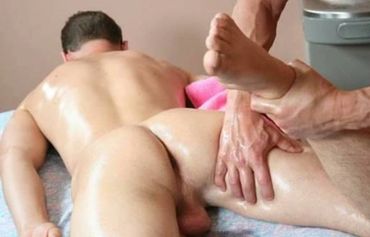
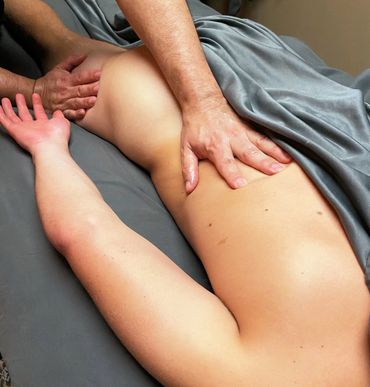
To be touched with intention—to have muscles kneaded, tension eased, and knots unwound—reminds the body that it still belongs to the living world. It is an affirmation that this skin, these shoulders, this back, are worthy of care. For a man who goes years without a tender embrace, such physical acknowledgment can restore a sense of belonging.
Touch has a language of its own. It bypasses words, bypasses pretense, and communicates directly to the nervous system: you are seen, you are here, you are not invisible. In the quiet hum of a massage room, loneliness loosens its grip, if only for an hour. The weight of neglect—whether from absence or indifference—finds temporary relief in the press of a skilled hand.
This is not about desire, nor about filling the void of romance. It is about connection, however brief. A massage reminds a man that tenderness still exists in the world, even if love has eluded him. It is a reminder that human beings are not meant to live untouched, that even in solitude, care can find its way back to the body. And sometimes, that hour of touch can mean the difference between enduring life, and feeling alive.
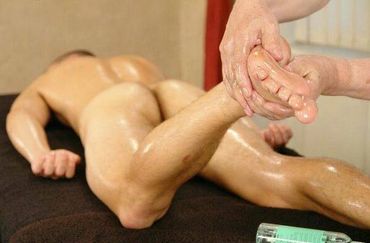
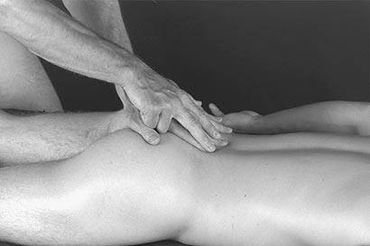
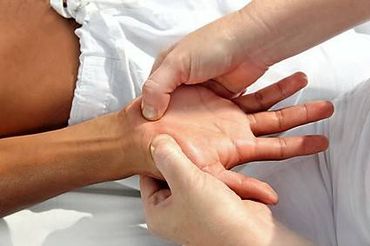
Capturing Serenity - Our Massage Gallery

-f2aebd0.jpg/:/rs=w:370,cg:true,m)